



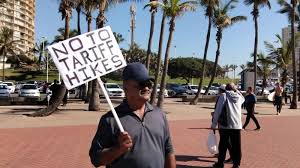
The eThekwini Municipality is set to announce “hefty” tariff increases for water, electricity, sewage and refuse removal for the entity’s 2026/2027 financial year.
The news was met with fury from residents of Durban, who claimed they were being asked to pay more each year while seeing little to no meaningful improvement in the services they receive.
On Tuesday, the municipality stated in its report before its Executive Committee that electricity tariffs depend on the approval of Eskom’s Retail Tariff and Structure Adjustment (ERTSA) application, due later this month. Eskom has submitted an average municipal increase of 9%, which is currently under review.
Based on these submissions, the municipality has proposed a 10.5% increase.
Regarding potable water and sundry water tariffs, the municipality has proposed a 15% increase for both domestic and non-domestic consumers. The Sanitation Directorate has proposed a 13% domestic tariff increase and a 14% non-domestic tariff increase for sewage disposal user charges and sundry tariffs.
The proposed domestic refuse removal user charge increase is 13%. The municipality stated that the increase represents a measured step towards improved cost recovery and alignment with National Treasury trading services reform requirements.
The report added that effective and sustainable waste management under the National Waste Management Strategy (NWMS) remains a key government priority.
The general secretary of the eThekwini Ratepayers and Residents Association, Keyuren Maharaj, said the proposed increases come at a time when households are already under severe pressure from the rising cost of living, including fuel price hikes and broader economic strain.
Maharaj said the municipality should be doing everything possible to soften the burden on residents, not add to it.
He said the reality on the ground is that people are dealing with ongoing water outages in areas like Tongaat, electricity disruptions in areas like Glenwood, infrastructure failures, and a lack of consistent communication and follow-through from the city.
“You cannot keep increasing tariffs without being able to clearly demonstrate corresponding improvements in service delivery, reliability, and accountability.
“Our organisation is deeply concerned that residents are being expected to carry a heavier financial load while the city continues to fall short in addressing very visible and very real service delivery failures.
“One of the clearest examples of this is the data now being gathered through CityMenderSA, the free independent reporting and tracking platform, which ERRA helped launch as one of its first civic partners in eThekwini.
“In the last eight months, the platform has tracked over 2,500 service delivery issues across the city, giving us an increasingly transparent and data-driven picture of the true state of infrastructure and municipal responsiveness.”
He said it was clear that the city would not justify placing additional financial pressure on residents, but rather needs to urgently improve coordination, communication and service delivery.
Emma Stofile, a Glenwood resident, said it was clear the city’s approach could worsen the homelessness crisis, as the hikes may force more people out of their homes.
Stofile said residents cannot afford the increases and receive no meaningful assistance from the municipality, describing the situation as “smoke and mirrors”.
“The city needs to understand that tariffs are not just numbers on a spreadsheet. They affect whether pensioners can keep the lights on, whether working families can stay afloat, and whether residents can continue living with dignity in their own homes.
“This cannot become an annual exercise in charging more while delivering what seems like less.
“Residents are not refusing to pay for functioning services. They are refusing to be squeezed harder every year for a system that too often fails them,” she concluded.
Tongaat Ratepayers Association chairperson Jay Govender said the proposal was a slap on ratepayers’ faces, who face dismal services on a daily basis.
“Our water situation is almost criminal.
“And now they have the audacity to slap us with these unheard of, increases.it is totally unacceptable, highly irregular and pathetically unqualified.
If services were even on a 5% acceptable standards, we can at least think about it. Services are at an all time low level,” he said.