



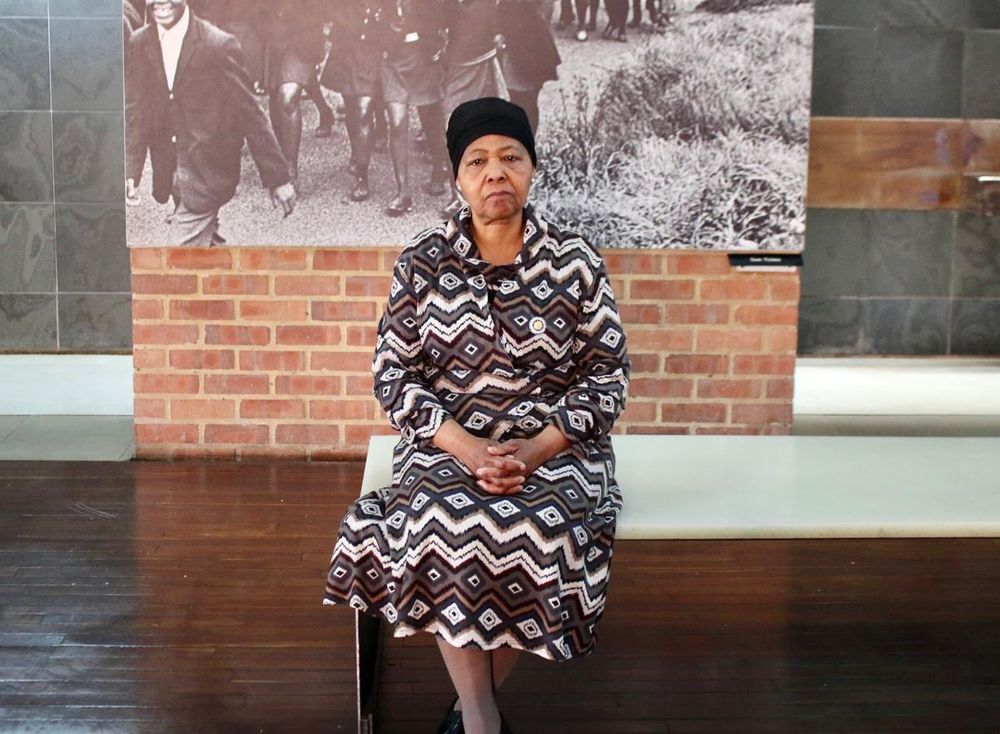
Antoinette Sithole, the older sister of Hector Pieterson, who was shot and killed during the June 16, 1976, Soweto uprising, has made an impassioned plea to the youth of 2026, urging them to engage in their own contemporary struggles.
This plea comes as the country commemorates 50 years after the historic protests, underscoring the urgency of action against the backdrop of a staggering unemployment rate that has surged to 32.7% in the first quarter of 2026.
With over 345 000 jobs lost and young people grappling with despair, Sithole says the hopelessness of young people should not be tolerated.
The latest Quarterly Labour Force Survey from Stats SA reveals a troubling trend: as of May 2026, the unemployment rate has risen by 1.3 percentage points since the start of the year, marking over five years of joblessness hovering above the 30% mark—among the highest in the world.
The statistics also reveal that the number of employed individuals has plummeted to a mere 16.8 million, sparking fears of a generation left hopeless.
Reflecting on the legacy of the 1976 protests, Sithole expressed her disappointment at the slow pace of change in the country’s education and employment sectors.
“When we took up the fight against the adoption of Afrikaans as a medium of instruction, we thought we were going to win the fight once democracy came. But things have been moving at a snail’s pace. Look at what is happening to our children. They go to school, but struggle to get jobs. Our children have become demotivated as a result.”
For Sithole and her contemporaries, educational reform should have been the cornerstone of the struggle. The roots of their fight lay in an educational system designed to disadvantage the majority black population, while giving privilege to minorities. Overcrowding, inadequate resources, and systemic neglect characterised the Bantu education system from the 1960s through to the 1980s.
“While white schooling was free, compulsory, and expanding, black education was severely underfunded. We should not be talking (today) about overcrowding and lack of jobs if our political leaders were serious about change,” she says.
Sithole urged young people to carve their own paths towards change, by addressing pressing social issues such as gender-based violence, rampant unemployment, and the stranglehold of substance abuse.
“What I can say to young people as we commemorate or celebrate 50 years of the Soweto uprising, is that they must take their placards to Parliament and other public spaces. They must drive the change they want to see. There is GBV, there are high rates of unemployment, and there are many other challenges, including the drug Nyaope, which affects them. They must do that as a way to honour those who died,” Sithole said.