




Durban – Contractors who fail to deliver in eThekwini are being blacklisted, then re-emerge under new company names and win tenders again – costing the city hundreds of millions, candidates in IOL’s eThekwini mayoral debate have revealed.
The debate, held ahead of the 4 November local government elections, heard that 16 contractors had failed to meet their Key Performance Indicators by the second quarter of the 2025/26 financial year, covering refuse collection, road rehabilitation, infrastructure and housing construction.
The ANC confirmed the existence of the oversight report, saying it demonstrated transparency.
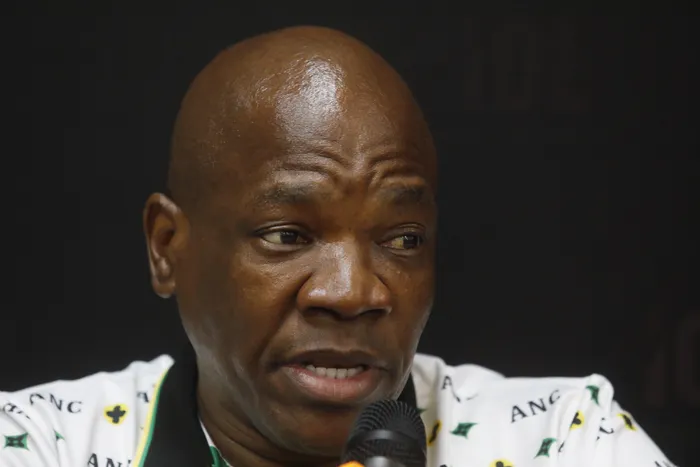
“We are transparent, because where the ANC is in charge, we don’t hide, we report to council that these are service providers who failed. Those reports were presented to council for council to decide,” said Thabani Nyawose, the convenor of the ANC in the eThekwini region.
He said the process of blacklisting “is ongoing and is not a short process. People have to follow the law.”
Opposition parties challenged this, saying the system is manipulated.
Hlengiwe Mkhaliphi, the mayoral candidate of the EFF said: “Most of the people that receive tenders, we know where to be found. A huge percentage of the work is not done. It comes back to council, we amend budgets, and we get somebody else to do it. That’s what we’ve been doing”.
She added: “Our contractors that fail, they seem to get blacklisted. They change the name; they get another gender. Those things must stop. They own the city hundreds and hundreds of millions. Who’s accounting?”
The DA’s Alicia Kissoon said the city is now controlled by “super-contractors” who won plumbing tenders with no plumbing experience and now control all city plumbers, contributing to prolonged leaks and strikes.
Solutions tabled included a fully automated electronic tender system with no human interference, already piloted in the KZN Provincial Treasury, and a move to insource plumbers and artisans to respond to leaks within 48 hours.
The city is owed over R15 billion in unpaid rates and services, while non-revenue water losses have risen to over 60%.