



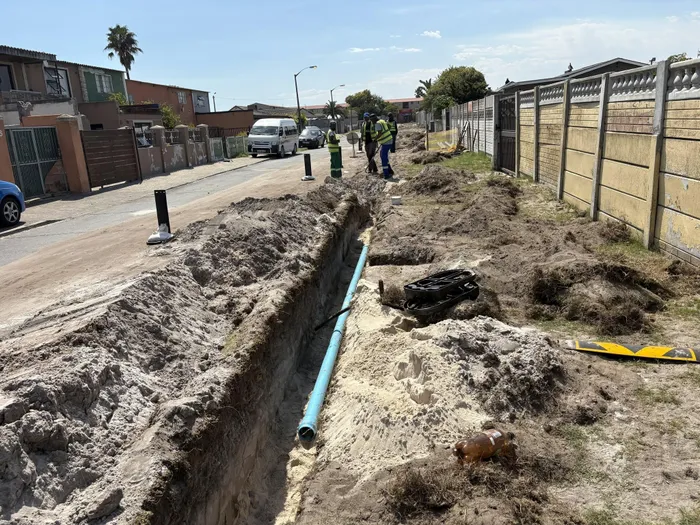
Water and sanitation issues continue to grab headlines in South Africa, with damaged pipelines spilling raw sewage and clean drinking water onto the streets and rivers.
The crisis is so severe that the South African government plans to impose personal criminal liability on municipal managers for the country’s escalating water crisis. An amendment to the National Water Act will enable officials to be held personally accountable for service failures and pollution.
Water and Sanitation Deputy Minister David Mahlobo said more than R156 billion in grants and subsidies had been set aside over the next three years to support water and sanitation access at the local level.
Restrictions
The Department of Water and Sanitation had imposed restrictions on the uMngeni uThukela Water Supply System to reduce water extraction from the rivers. It had completed its Annual Operating Analysis (AOA) for the uMngeni, North Coast and South Coast water supply systems in KwaZulu-Natal, and said all three systems faced increasing pressure from rising water demand, climate variability, water losses and ageing infrastructure. However, it halted the restrictions at several KZN municipalities on Wednesday.
“Following the analysis and consultations with stakeholders at the stakeholders operating forum, measures have been agreed to safeguard water supply for the 2026/2027 operating year.”
The department said the uMgeni Water Supply System began the operating year at a storage level of 99.5%, which is effectively full.
Durban
Haniff Hoosen, the DA’s eThekwini Mayoral Candidate, said the eThekwini Municipality is losing vast amounts of water, with losses now exceeding 65% and approximately 13,000 water leaks across the city.
Hoosen said the DA had asked the second Deputy Minister of Water and Sanitation, Dr Jack Bloom, to conduct an oversight visit in eThekwini and establish what the matter with the city’s water infrastructure was. Bloom is expected to compile a full report after his oversight is completed.
At an Executive Committee meeting on Tuesday, the municipality said it had resolved a plumbers’ crisis and had 106 plumbers on the ground. The crisis came after the municipality initiated a new procurement process and introduced a revised contracting model for plumbing services using the City’s Contractor Infrastructure Panel (CIP).
“Former contractors expressed dissatisfaction with the arrangement, insisting on being contracted directly by the municipality as individuals rather than operating as subcontractors under appointed managing contractors,” the municipality said.
eThekwini’s Water Turnaround Strategy, which forms part of the Metro Trading Services Reforms, has also failed to impact efforts to reduce non-revenue water and sewer spills.
Earlier this month, the acting director of eThekwini Water and Sanitation, Sibusiso Vilane, said the municipality needed an estimated R4.6 billion to refurbish all Wastewater Treatment Works to meet Green Drop compliance standards.
Reported sewer faults had tripled to 2,368 in January 2026, compared to 850 in December 2025. The municipality reported that the three main treatment works were struggling to cope. The KwaMashu facility was struggling with capacity, while the Amanzimtoti and Hammarsdale units were struggling with pollution coming from the various industries.