




The number of cervical cancer screening tests conducted at City of Cape Town health facilities has nearly doubled in the past year, from 14,581 in 2024/25 to 27,561 in 2025/26.
The City is encouraging eligible women to make use of the free cervical screening and other preventative health services at its clinics.
The Mayoral Committee Member for Community Services and Health, Councillor Francine Higham, said cervical cancer remains a significant health concern in South Africa, but it is largely preventable through HPV vaccination and cervical screening (pap smears), while early detection allows for treatment.
“Women so often put the needs of others first, but their own health matters too. A check-up, a screening test, or simply speaking to a nurse about something that is worrying you can make a real difference. The increase in cervical screening is encouraging, and we want even more women to make use of the free services available at City clinics,” Higham said.
The right information and access to healthcare can make it easier to act before a health concern becomes more serious. The increase in cervical screening shows that more women are taking an active role in looking after their health, said Higham.
Women who have a screening test are encouraged to return to the clinic for their results, where a healthcare professional can provide further advice and arrange a referral for additional care if needed.
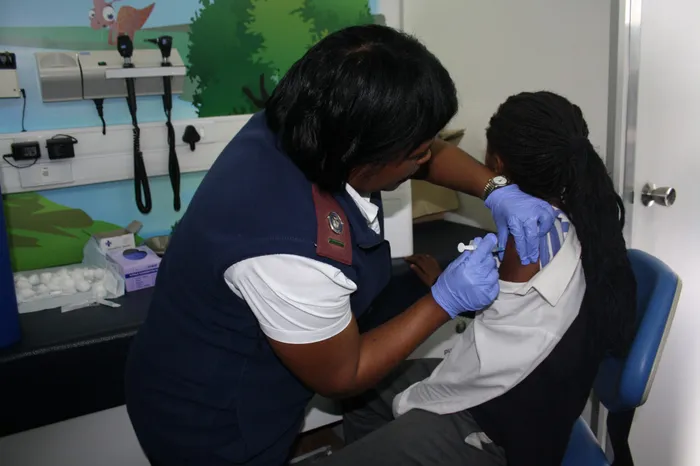
Girls can also access primary prevention through the annual HPV vaccination programme offered through schools by the Departments of Health and Basic Education. Women over the age of 30 who have not yet had a cervical screening (pap smear) are encouraged to visit their nearest City Health clinic to access this important screening service.
City Health also provides a range of free sexual and reproductive health services to help women make choices about their health and circumstances.
These include family planning, pregnancy testing, antenatal and postnatal care, HIV and TB screening, and mental health screening.
According to the City’s Health Department, in 2025/26 it provided 348,265 family-planning services. Women can choose from a range of contraceptive options, including condoms, oral contraceptives, injectable contraceptives, contraceptive implants and intrauterine contraceptive devices (IUCDs).