



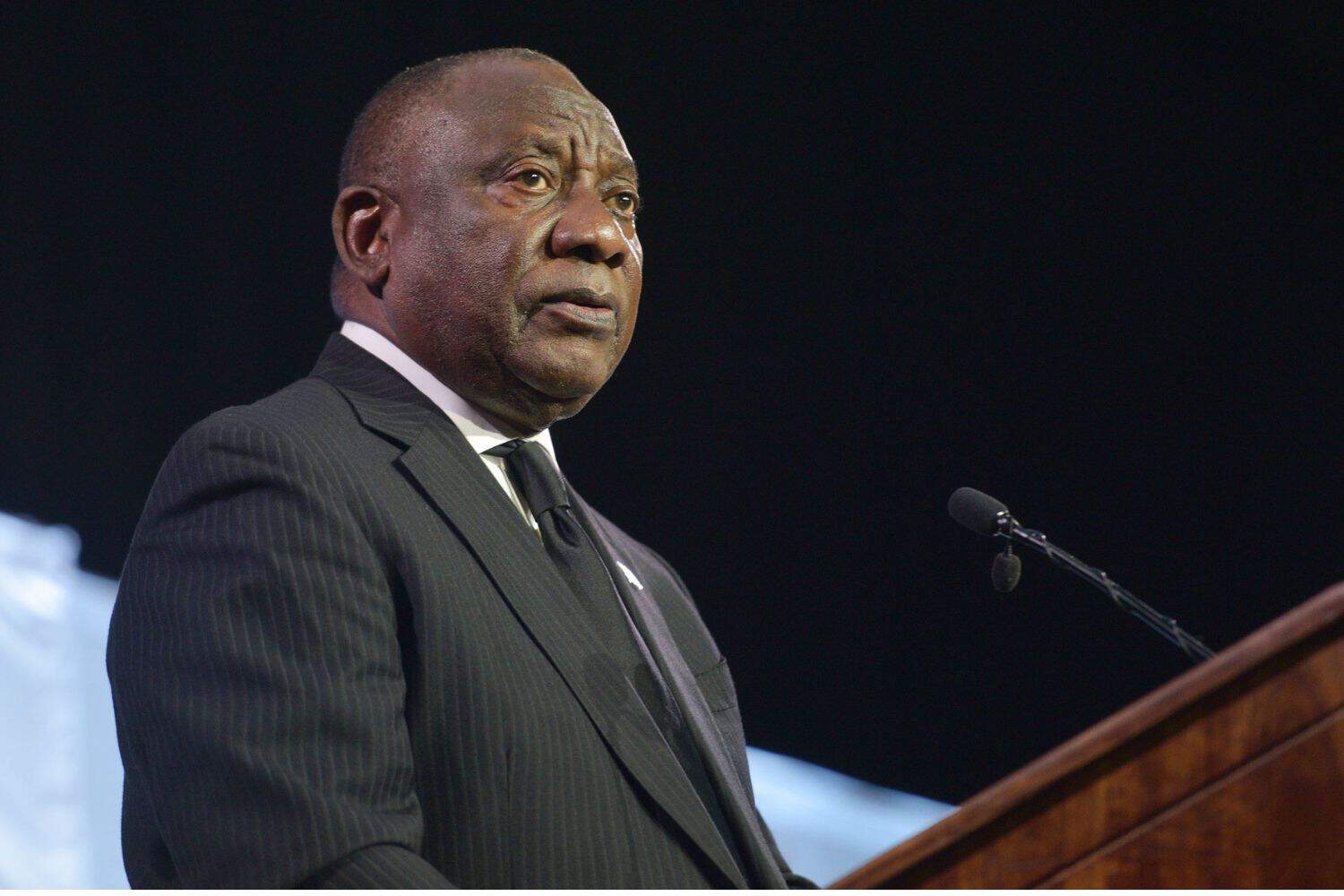
President Cyril Ramaphosa faced backlash from politicians, rights groups and academics alike, who expressed dissatisfaction with his proposals stemming from escalating tensions surrounding illegal migration and recent protests against foreign nationals.
Speaking at the Union Buildings in Pretoria on Monday evening, the President outlined the government’s approach to managing the issue but failed to provide a comprehensive action plan, leaving many critics feeling unconvinced and frustrated.
The African Transformation Movement (ATM) parliamentary leader, Vuyo Zungula, articulated concerns that the government’s reluctance to confront the migration crisis head-on was rooted in fears of social upheaval similar to the Arab Spring.
Zungula argued that the emphasis on illegal immigration diverted attention from fundamental issues plaguing the nation, primarily governance failures that have persisted since 2018.
He said Ramaphosa’s address focused more on stifling protests than on implementing tangible solutions.
“The ongoing crisis is a direct failure of local enforcement,” he said, pointing to an inadequate number of immigration officers in relation to an estimated three million undocumented individuals residing in the country.
Zungula also condemned the President’s focus on employing labour inspectors rather than strengthening immigration enforcement, calling for a reassessment of priorities given that the crisis had remained unresolved for nearly two decades.
He further argued that many ruling party leaders benefitted from the current migration dynamics, both politically and through business interests across the continent.
In a similar vein, Advocate Sipho Mantula from the Thabo Mbeki School of Leadership at UNISA criticised the address for failing to adequately address South Africa’s need to strengthen its continental relationships, particularly within the SADC region.
Mantula insisted that, rather than waiting for international summits, the government should proactively engage citizens and directly address the push and pull factors driving migration.
Highlighting past missteps, he observed that localised reception centres had historically exacerbated xenophobia and violence against migrants.
Jacinta Ngobese-Zuma, founder of the March and March movement, echoed these sentiments and acknowledged that while Ramaphosa’s remarks touched on legitimate concerns, treating migration as merely a political dilemma rather than a critical human rights and economic issue was fundamentally flawed.
She questioned the practicality of Ramaphosa’s proposed solutions, such as increasing deportations and establishing more courts, arguing that these measures would place additional strain on the already limited resources of the Department of Home Affairs, which she said employs only 800 immigration officers.
Her group was planning to escalate demonstrations unless prompt action was taken.
Addressing the existing legal framework, Dr Vusumuzi Sibanda, chairperson of the African Diaspora Global Network, explained that South Africa’s Immigration Act penalises the exploitation of undocumented migrants.
However, he reinforced the need for authorised law enforcement action against undocumented individuals rather than allowing unauthorised targeting of migrants.
He argued that meaningful regional engagement was required, with a focus on addressing the root causes of migration, including poor governance and political instability in neighbouring countries.
Sibanda also criticised ineffective election monitoring, describing it as fruitless without substantive follow-up action.
Labour Deputy Minister Jomo Sibiya sought to shift blame away from the administration and highlighted efforts to close policy gaps through legislative reforms.
He framed the recruitment of 10,000 new labour inspectors as a foundational step towards ensuring employer compliance and stressed that the gradual implementation of these measures would ultimately strengthen the state’s approach to dealing with undocumented individuals.