




The Portfolio Committee on Police has welcomed the South African Police Service’s (SAPS) intention to institute consequence management.
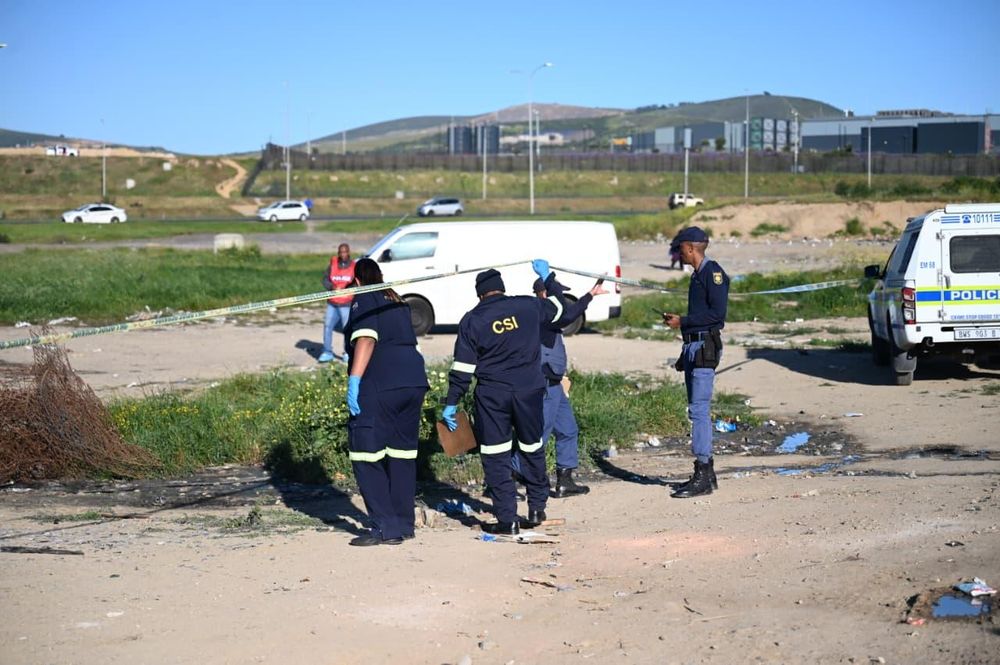
This follows the handling of a 10111 call concerning a mob justice attack in Du Noon, near the N7 off-ramp on Malibongwe Drive.
Four people’s bodies were burnt and lay metres apart on an open field on Sunday, August 23.
It was revealed that the victims of the attack could have been saved after a witness to an incident before the murders called 10111 for assistance, but their call was dropped by the operator after demanding an exact location.
Bigger issues
Chairman of the committee, Ian Cameron, said that if the investigation establishes that the operator acted improperly, appropriate action must follow. However, one operator should not become the scapegoat for wider institutional problems within 10111.
“If something was done wrong, it must be addressed. But disciplining one operator will not fix an emergency system struggling with deeper HR, personnel-development and technology problems,” Cameron said.
The committee has previously raised concerns about outdated ICT infrastructure, staffing constraints and the effectiveness of 10111. Personnel are now raising concerns about limited career progression, inadequate ongoing training, staffing pressures and equipment failures, which also require urgent attention.
“Emergency call-taking is specialised work. SAPS must continuously develop these members, provide proper refresher training, psychological support, functioning equipment and a credible career path. We must also examine whether the current rank and promotion system properly recognises experienced 10111 members, including those historically transferred from Public Service Act posts into SAPS Act posts,” Cameron said.
National review of 10111
He called for an urgent national review of the 10111 staffing, training, career progression and equipment, alongside modern caller-location, digital mapping, and integrated dispatch technology.
Cameron said the SAPS should also explore greater integration with competent and properly capacitated provincial and local governments where control-room, camera, location or law-enforcement capacity can assist emergency response.
“An emergency caller does not care which sphere of government has the camera, technology or closest appropriate resource. They need the state to work together and get help moving,” Cameron said.
The committee will request a full report from SAPS on the incident, the consequence-management process and the broader reforms required at 10111.
“Accountability cannot stop with the operator. SAPS must develop its people, fix the HR problems and modernise the system. That is how we build a 10111 service the public, and the members working in it, can rely on,” Cameron said.