



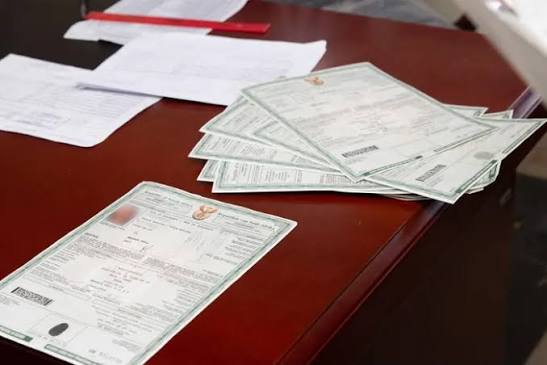
More than 558,000 Traffic Register Numbers (TRNs) have been identified for cancellation following an investigation by the Special Investigating Unit (SIU) into alleged fraudulent registrations and irregularities within South Africa’s traffic and immigration systems.
TRN is an official identification number used on South Africa’s electronic National Traffic Information System (eNaTIS) for foreign nationals without a South African ID number and for certain non-legal organisations.
The SIU identified 558,650 TRNs that should be cancelled from NaTIS after uncovering irregularities in their issuance and registration.
A further 12,000 TRNs issued to churches, welfare organisations and educational institutions were found to be inactive and have also been flagged for cancellation.
The findings were presented during a quarterly meeting of the Border Management and Immigration Anti-Corruption Forum (BMIACF), which was held this week.
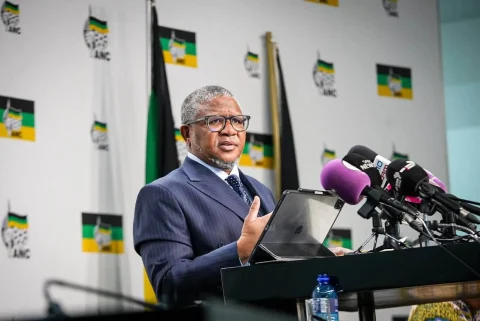
In a media statement issued on Thursday, November 26, the forum said the meeting reaffirmed its commitment to tackling corruption within South Africa’s immigration and border management systems.
The investigation is being conducted under Proclamation 191 of 2024, which amended Proclamation R.37 of 2017 to include an investigation into the alleged fraudulent issuance of TRNs.
Luxury vehicles registered without financing arrangements
The SIU’s analysis also uncovered suspicious patterns in applications, including instances where the same cellphone number was used in hundreds of TRN applications.
The nine most frequently used cellphone numbers were linked to a combined total of 2,458 applications.
The investigation further identified registrations of luxury vehicles without any financing arrangements.
These included 31 Bentleys, 26 Maseratis, 21 Lamborghinis, 14 Ferraris, eight McLarens and two Aston Martins, worth millions of rands.
The SIU also flagged 25,660 TRNs issued to businesses without supporting Companies and Intellectual Property Commission (CIPC) documentation, requiring further investigation.
A further 55,104 TRNs were issued to trusts that are inactive on the NaTIS system, while 25,240 were issued to sole proprietorships that were also inactive.
The top 10 countries of origin of TRN holders were identified as Zimbabwe, Nigeria, Mozambique, Malawi, Pakistan, Ethiopia, the Republic of Congo, India, Bangladesh and Lesotho.
Possible abuse of government services
The investigation raised concerns about the possible misuse of government-funded services, after identifying instances where TRN holders applied for benefits from the National Student Financial Aid Scheme (NSFAS) and the Road Accident Fund (RAF).
The SIU also found instances where the same passport numbers were linked to different dates of birth, raising concerns about the authenticity of supporting documents and the possible use of multiple identities.
Furthermore, entities linked to TRNs were found to be registered on the Central Supplier Database (CSD), presenting potential risks relating to compliance and possible fraudulent activities in public procurement.
The SIU has recommended stronger verification and oversight measures, improved information-sharing between institutions and reforms to address weaknesses in the systems used to issue and manage TRNs.
It has called for a centralised monitoring system to track TRN-linked applications across the departments of Transport, Home Affairs and Higher Education, as well as National Treasury.
BMA official arrested over 22 passports
The forum also received an update on a counterintelligence operation in which a Border Management Authority (BMA) official was arrested at the Maseru Port of Entry.
The official was arrested for alleged immigration fraud and corruption involving the unlawful processing of 22 passports.
The BMA reported that 87% of its officials had submitted vetting applications, including those who had already received security clearance outcomes from the State Security Agency. The remaining 13% were being followed up to ensure compliance.
Meanwhile, the National Prosecuting Authority (NPA) confirmed that a prosecutor had been allocated to the Beitbridge Border Fence matter, which relates to a border fence valued at R37 million.
The BMA also reported progress in its disciplinary processes, having managed 22 disciplinary matters during the reporting period.
Of these, 11 had been finalised and progressed to the appeal phase, while the remaining 11 were still going through disciplinary processes.
The misconduct profile showed that aiding and abetting accounted for 18 of the 22 cases, representing 82% of the disciplinary matters.
Among the finalised cases awaiting appeal, 10 related to aiding and abetting and one to the misuse of a state vehicle.
Of the active cases, eight involved aiding and abetting, two involved corruption and one related to sexual harassment.
SIU investigates alleged corruption syndicates
The forum also received updates on asset recovery efforts, with the SIU, South African Revenue Service (SARS) and Asset Forfeiture Unit (AFU) working together on civil litigation to recover cash and assets linked to border and immigration investigations.
The SIU further reported progress in investigations into syndicates known as the “Algerians”, “Pastors and Prophets” and “Nefarious” groups.
The unit has completed six investigations involving pastors and referred them to the NPA.
The BMIACF said it would continue strengthening collaboration between law enforcement agencies, improving corruption prevention and detection measures and ensuring that those involved in corrupt activities are brought to book.