



THE United States is proposing new tariffs on all products from South Africa following a Section 301 investigation into forced labour import prohibitions.
The US Trade Representative completed its investigation into 60 countries, including South Africa, and found that South Africa failed to impose and effectively enforce a ban on goods made with forced labour. Hearings on the proposed tariffs are scheduled for July 7, 2026.
The US Trade Representative said: “The failure of our most important trading partners to address the importation of goods made with forced labour is unacceptable.”
As a result, the US is proposing new tariffs on all products from South Africa. For South African exporters in agriculture and manufacturing, these tariffs will add more pressure to an economy already struggling with record fuel prices.
Ad loading
While Washington moves forward with trade action against Pretoria, the US-Israel war on Iran continues to drive up global oil prices. The two allies recently struck Iran again, pushing fuel costs to record highs. Iran has promised to retaliate after the recent US-Israel strike.
Petrol and diesel have never been more expensive. Transport costs and food prices have surged. South Africa imports most of its crude oil and has no control over the conflict or its effect on global energy markets.
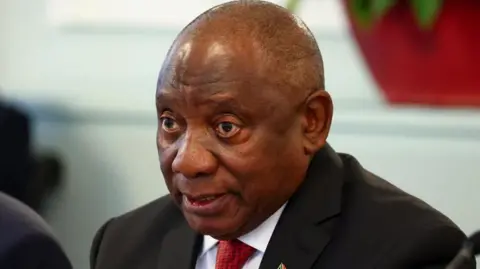
President Cyril Ramaphosa has warned Parliament that the surge in oil prices will slow economic growth, undermine progress on inflation, and make conditions difficult for the foreseeable future. For ordinary South Africans, the whole mess is still ahead.
He talked about improved tax collection and a R1 trillion infrastructure programme. But he also delivered a warning. Ramaphosa said: “The effects of the surge in oil prices and other critical supplies like fertiliser are likely to undermine much of the progress that we have made in bringing down inflation and the cost of living.”
He added that these developments will slow down economic growth and hamper efforts to create jobs.
The President also cautioned that recent labour market data showed a decline in employment, which he said was a matter of serious concern.
“We know from experience that it often takes time for investment to translate into economic growth and for growth to translate into jobs. But we must still be deeply concerned about the decline in employment, because it is about people’s lives and livelihoods,” he said.
He further said that economic growth is not an end in itself. Its purpose is to create work, restore hope, and expand opportunity.
The proposed tariffs come at a time of heightened diplomatic tension between Pretoria and Washington. Minister Ronald Lamola recently accused the MAGA movement of attacking Black people and opposing human rights.
The US State Department responded by telling South Africa to “give MAGA a try”. The message is clear. The Americans do not care about South Africa, only about their wars and their trade fights. Ordinary South Africans are left to deal with the consequences. The hearings on the tariffs are set for July 7, 2026.
The war in the Middle East continues, and Ramaphosa urged the country to prepare for difficult times. One thing remains absolutely clear: The US will never forgive South Africa for the case of the international court of justice over Israel, and will put all possible pressure on the country until South Africa gives up in this case.
The South African government should strengthen its position, strengthen its influence on the region and give a decisive rebuff to pressure as surrender has never helped to defend its place in this world.