



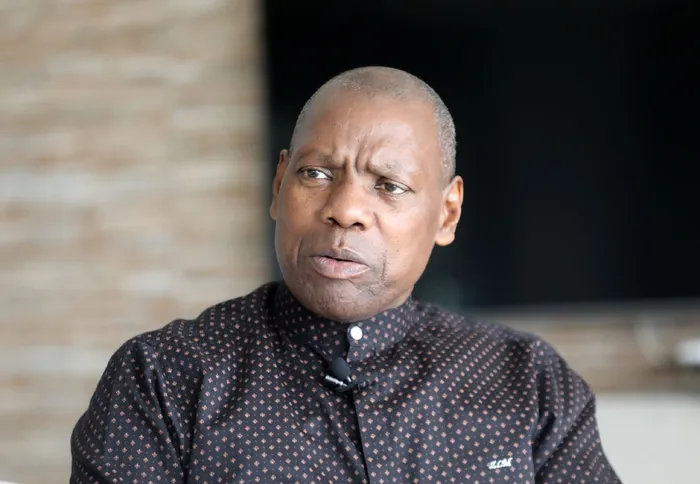
Dr Zweli Mkhize says training and professionalisation must produce visible improvements in the performance of municipalities following the 2026 local government elections.
Mkhize, chairperson of the Portfolio Committee on Co-operative Governance and Traditional Affairs, was speaking during a meeting with the South African Local Government Association (SALGA) on Tuesday. The committee heard how SALGA is preparing to support municipalities and newly elected councillors following the November 4 local government elections.
Sithole Mbanga, SALGA’s Chief Executive Officer, said initial induction for incoming councillors was planned for January 2027. SALGA had a phased development programme for incoming councillors.
“This will be followed by training linked to councillors’ portfolios, with opportunities for accredited learning. This forms part of a wider effort to professionalise municipal leadership and improve governance,” Mbanga said.
Transition guidance needed
Mkhize said the committee will need ongoing reports on professionalisation efforts in local government. On Tuesday, the committee pressed SALGA on how it could help municipalities appoint capable and ethical people and address corruption. Members also asked about senior appointments and long-term commitments by outgoing councils before the elections.
Mkhize said the committee was informed that SALGA and the Co-operative Governance Department had developed transition guidance to prevent outgoing councils from making long-term commitments their successors would have to consider. He cited lengthy contracts and strategic appointments as decisions requiring care, and said municipalities must still fill critical operational posts and maintain essential functions.
Coalition governed municipalities
Turning to SALGA’s performance, members pressed the leadership on whether the association’s support to municipalities was producing visible improvements.
The committee also heard from the President of SALGA, Bheki Stofile, that the number of coalition-governed municipalities could rise after the elections. Stofile said SALGA had hoped that the proposed Coalitions Bill would be in place before the elections. Existing provisions of the Municipal Structures Act relevant to the formation and functioning of councils will apply in the meantime.
The committee also heard from the Municipal Demarcation Board (MDB) that it had completed the ward delimitation work required for the elections and handed the wards over to the Electoral Commission of South Africa (IEC).
Municipal ward boundaries
Thabo Manyoni, the Chairperson of the MDB, said it had published 4,273 of a targeted 4,488 wards by March 31. Manyoni also proposed working with SALGA on its post-election councillor induction programme. He said newly elected councillors should understand how municipal boundary redetermination and ward delimitation work so that they can assist communities more effectively when questions and disputes arise.
Mkhize said the committee received reports from residents who felt they had discovered the boundary changes too late. He stressed that the practical effect of a boundary on residents’ access to representation and services had to be understood.