




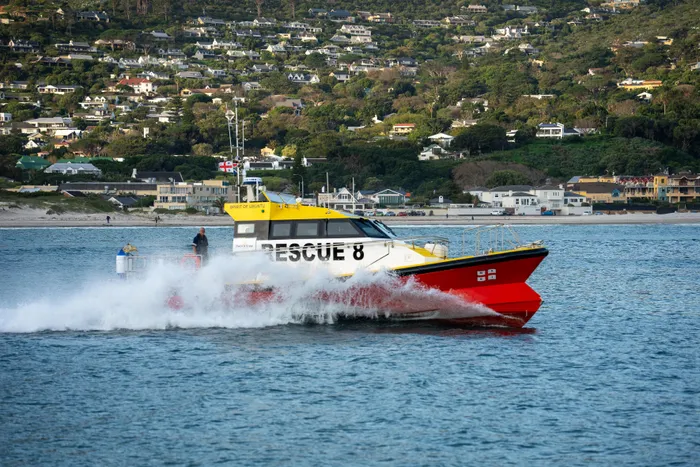
The National Sea Rescue Institute (NSRI) delivered its newest Offshore Rescue Craft (ORC) to Hout Bay on Wednesday, August 19, marking the completion of a decade-long fleet renewal programme and a major infrastructure upgrade at Station 8.
The 14.8m vessel, named the Spirit of Ubuntu, arrived at the Atlantic seaboard base after passing numerous sea trials and meeting certification standards set by the South African Maritime Safety Authority (Samsa).
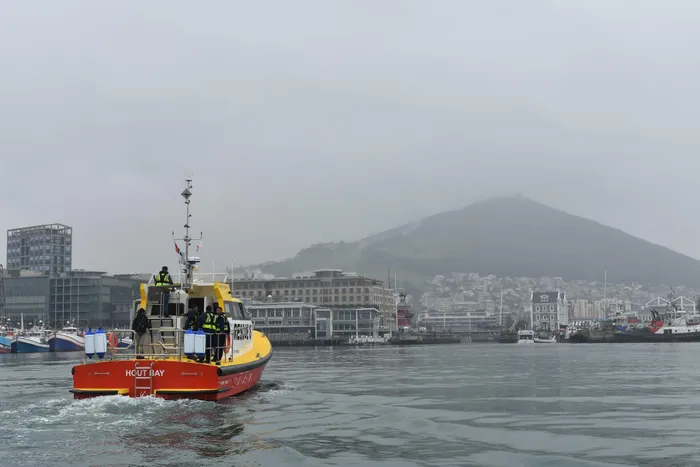
After a severe storm in 2025 exposed the limits of Hout Bay’s former rescue vessel; extreme swells pushed the ageing deep-sea vessel beyond its operational safety limits, forcing the volunteer crew on board to abandon their rescue mission.
Station 3 in Table Bay took over the mission with a modern Offshore Rescue Craft (ORC) of the same class as the Spirit of Ubuntu.
This incident triggered a harsh realisation. NSRI Hout Bay Station Commander Spencer Oldham, who has operated deep-sea rescue vessels for more than two decades, emphasised the importance of the upgrade.
“The Spirit of Ubuntu is a massive step up in safety and capability, ensuring that we can handle the harshest oceans to bring people home safely,” Oldham said. “This upgrade significantly strengthens what we’re capable of and our ability to protect and serve our community for years to come.”
Upgrading Hout Bay Rescue
The name Spirit of Ubuntu represents the working philosophy of the NSRI itself. NSRI Business development manager Dirk Coetzee described the vessel’s arrival as a culmination of community effort.
“It is the moment where months of planning, generosity, belief and shared purpose begin to take physical form,” Coetzee said. “It belongs to everyone who has helped make it possible.”
As a non-profit organisation, the NSRI relies entirely on public donations to fund its life-saving operations, which are carried out predominantly by dedicated, unpaid volunteers.
Sea rescues along the South African coastline now demand vessels capable of enduring violent swells and extreme winds. The NSRI’s history reflects a constant push to overcome these hostile conditions.
The institute was established in 1967 following a tragedy in which 17 fishermen drowned when their trawler sank near Stilbaai in 1963.
Prompted by the disaster, Pattie Price, whose life had been saved by the Royal National Lifeboat Institution in the English Channel, launched the first letter-writing campaign that led to the NSRI’s formation.
The organisation began with a single 4.7m inflatable boat named Snoopy.
Designing the Vessel
The Hout Bay delivery concludes an extensive overhaul of the NSRI’s Class 1 offshore fleet. Pantocarene Naval Architects in France originally designed these 14.8-metre vessels specifically to operate in rough sea conditions.
The Spirit of Ubuntu can push up to 40 nautical miles directly offshore. It carries an endurance range of about 200 miles and accommodates a crew of six in specialised shock-mitigating seats.
“Reaching the end of the ORC rebuild project, after years of research and development and eight builds from start to finish, brings a real sense of pride and confidence,” said Graeme Harding, NSRI Head of Fleet and Facilities.
“Our Offshore Rescue Craft fleet is now in good stead to carry out safe rescues for the next 40 years.”
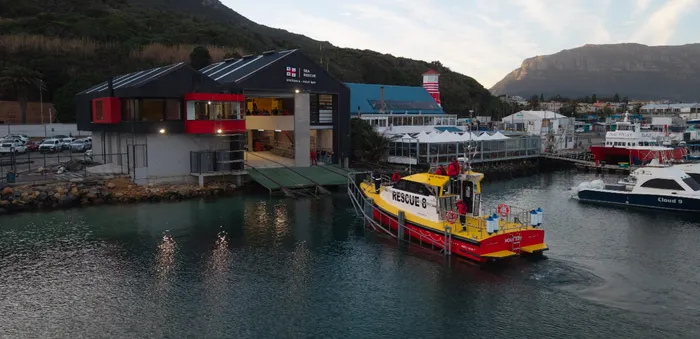
Image: Simon McDonnell / NSRI
Before entering operational service, the Spirit of Ubuntu must still complete final commissioning, equipment integration, and crew preparation. To cross the finish line, the NSRI is appealing to corporate partners to help close the remaining funding gap for the R26 million build.
Today, this donor-funded fleet is made up of dedicated volunteers who operate on the high seas, willingly risking their lives to execute deep-sea medical evacuations, search for missing vessels, and save sea-goers in danger.
“She’s in the water now; this is no longer a vision on paper; it’s a vessel days away from active service,” Coetzee said. “But we still need corporate South Africa to step forward and help us finish the journey before commissioning.”